
North Brisbane Plastering · Ceilings
Sagging ceilings in Bald Hills: when safety comes before a quote
3 min read · QBCC 15438315
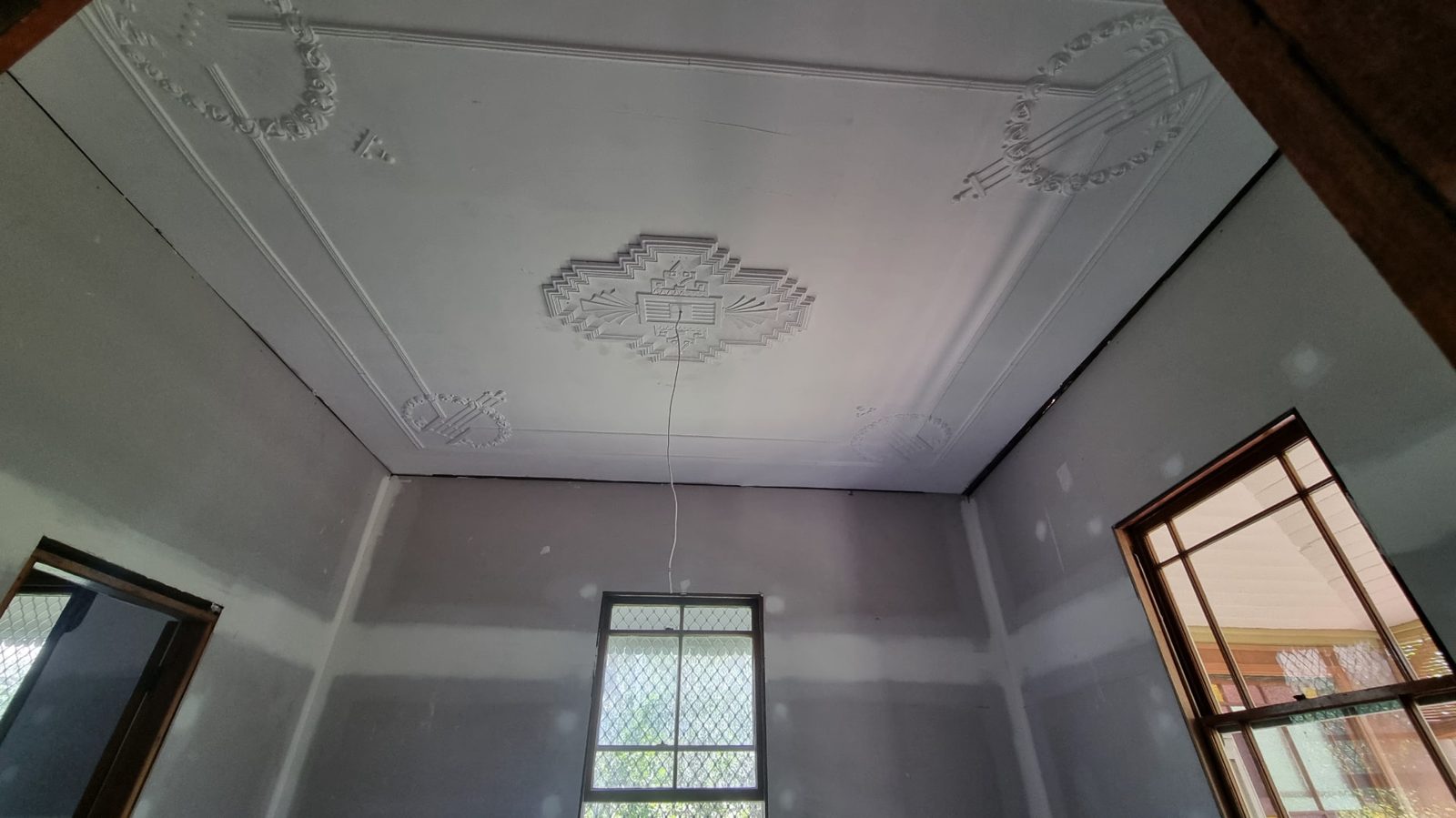
A ceiling that has developed a dip or bulge deserves more attention than a routine cosmetic patch. The visible change does not establish the cause, but it is a reason to have the lining assessed before anyone works on it. For homeowners in Bald Hills, ceiling repair planning should start with keeping the area safe rather than trying to straighten the surface or cover it with filler.
North Brisbane Plastering can discuss ceiling repair and replacement enquiries. Photographs may help explain what you have noticed, but they cannot confirm that a ceiling is secure. Where the lining appears unstable, do not wait for a remote quotation before arranging prompt professional assistance.
Keep people out of the affected area
If the ceiling is bulging, shedding material or showing an obvious loss of shape, keep people away from beneath it. Do not press against the board, puncture a bulge or attempt to add fixings yourself. A visual inspection from a safe position is different from testing the ceiling by touching it.
Water near electrical fittings needs appropriately licensed electrical assistance. Avoid lights and fittings in the affected area and tell the relevant trade about the water. Do not enter the ceiling space to look for the source or treat electrical work as part of an ordinary plaster patch.
Record changes without trying to diagnose them
Note when the change became noticeable and whether it followed a known leak, renovation or other event. Describe the rooms affected and any previous repairs. These observations help the assessment, but they do not prove a particular cause. A sagging appearance can involve conditions that are not visible from the room below.
Take a wide photograph only if you can do so without entering the unsafe area. Include adjoining joints and the room context where possible. There is no need to climb or disturb material to obtain a close-up. If photographs cannot be taken safely, explain the symptoms in words instead.
Assess the lining and the underlying conditions
The ceiling's support, existing board condition and any moisture problem need consideration before a repair method is selected. A local refixing proposal and a larger replacement are different scopes, and neither should be assumed appropriate solely from a picture. Any required work to framing or services must be addressed by the relevant qualified professionals.
If a leak remains active, its cause needs resolution before new lining can be expected to perform as intended. Older suspect material should also be checked before disturbance. The repair sequence may therefore involve other trades or assessment before the plastering stage begins.
Discuss the quote after the safety questions
Once the ceiling has been assessed and the necessary preparation identified, ask what material will be retained or replaced. Clarify removal, access, cornice work, joint finishing and painting boundaries. A wider replacement can affect room junctions and decoration beyond the most visible dip.
For a Bald Hills ceiling enquiry, contact North Brisbane Plastering with your observations and any assessment information already available. Our ceiling repairs page explains the broader service, while our plastering services cover lining and finishing. This article does not diagnose ceiling stability: keeping people away and arranging appropriate assessment comes before choosing a cosmetic repair.