
North Brisbane Plastering · Ceilings
Water-damaged plasterboard in Kedron: repair the cause first
3 min read · QBCC 15438315
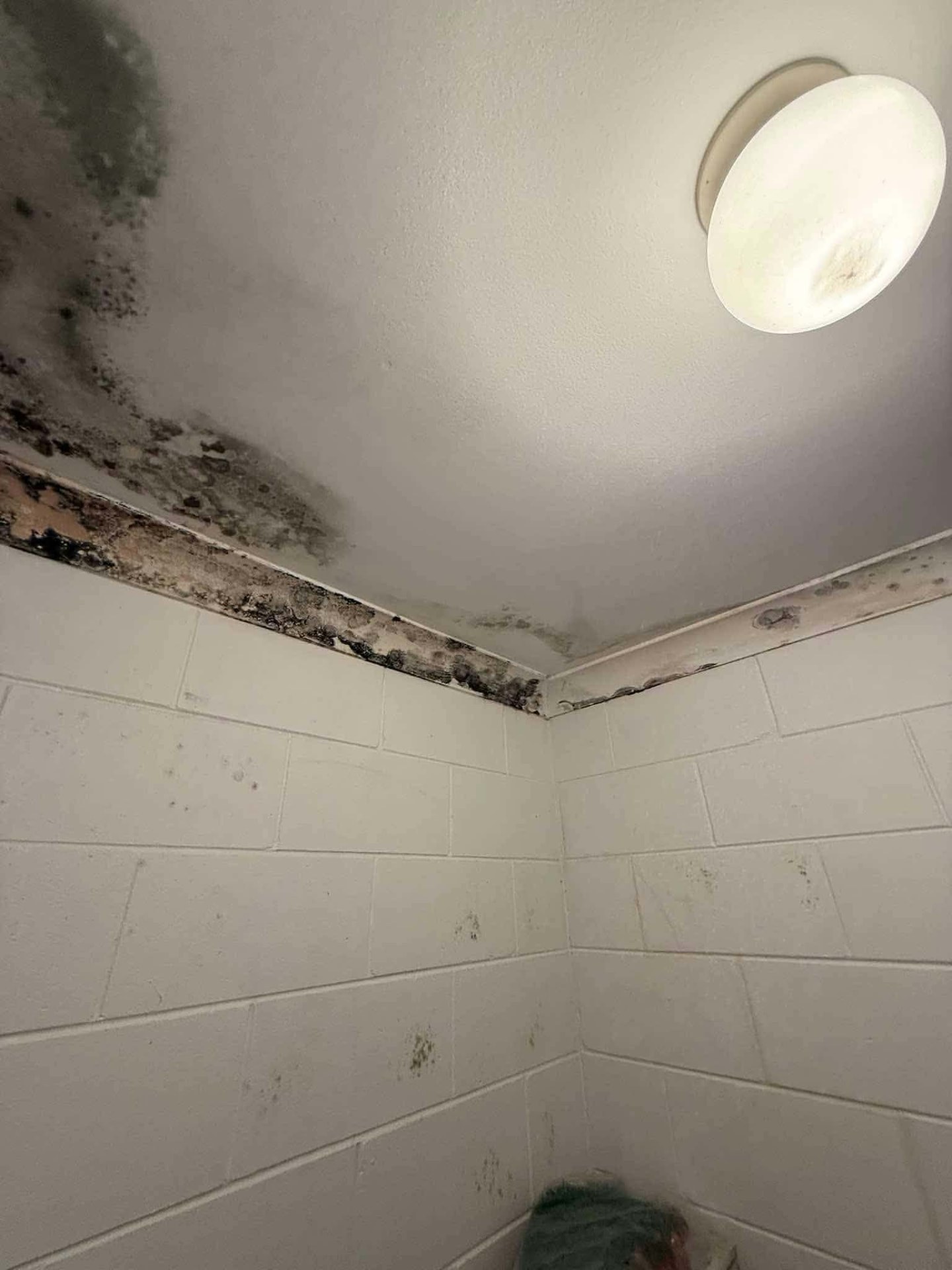
A water stain is a sign to investigate, not just a mark to paint over. For Kedron homeowners, plasterboard repairs should follow assessment of the water source and the condition of the affected construction. North Brisbane Plastering can discuss the lining repair, but stopping the leak and making any affected services safe are separate parts of the work that need appropriate attention.
Establish where the water came from
Roof leaks, plumbing faults and other moisture problems can affect ceilings and walls in different ways. The visible stain does not always show the full extent of damage or explain whether the moisture source is still active. Record when the mark appeared, whether it changes after rain or plumbing use, and whether the area has already been investigated.
Do not assume a dry-looking surface means the construction is ready to close. Concealed materials may still need assessment and drying. Any electrical risk associated with water intrusion needs attention from an appropriately licensed electrician. Keep clear of a ceiling that is loose or sagging, especially where material could fall.
Check more than the colour of the stain
Plasterboard can lose integrity after significant moisture exposure. Softness, damaged face paper, deteriorated joints and the condition of nearby supports can influence the repair scope. The area to replace should follow the condition of the materials, rather than a boundary drawn around the visible stain alone.
Some damage may be localised; other situations can require a larger replacement. That decision needs assessment of the actual lining. Painting or adding a skim of compound cannot restore board that is no longer sound. Suspected mould also needs appropriate assessment and handling before the affected area is enclosed or refinished.
Allow the construction to become ready for reinstatement
The moisture source should be resolved before the lining repair is completed. A practical plan identifies who addresses the leak, who assesses drying and when the repair area can be closed. There is no universal waiting period that can be promised for every water-damaged ceiling or wall. Materials, exposure and site conditions all matter.
Where new plasterboard is needed, the product and detailing must suit the room and system. Water-resistant board is not waterproofing and does not remove the need to prevent water intrusion. Wet-area design and specialist fire or acoustic requirements need their own appropriate system details rather than a casual substitution of board.
Plan the finish after the repair method is settled
A supported replacement area needs suitable joint treatment and finishing. The surrounding lining should be sound so the new repair does not rely on damaged edges. Tape, compounds and fixing details should follow the selected system and manufacturer instructions, including the necessary setting or drying stages.
Painting is another decision to clarify. A new patch may require a larger paint area for a consistent colour and sheen. Discuss any stain-treatment requirements with the painting trade after the cause is resolved and the surface is ready. Decorative cornices or ceiling roses nearby may also need protection or repair planning.
For a Kedron property, helpful initial information includes room photographs, close-ups of the affected area and the leak history. Those details help establish the next discussion without claiming that a photograph alone proves the repair method. Visit our ceiling repairs page, see plastering services, or request a quote.