
North Brisbane Plastering · Repairs
Visible screw heads and plasterboard joints in Zillmere homes
3 min read · QBCC 15438315
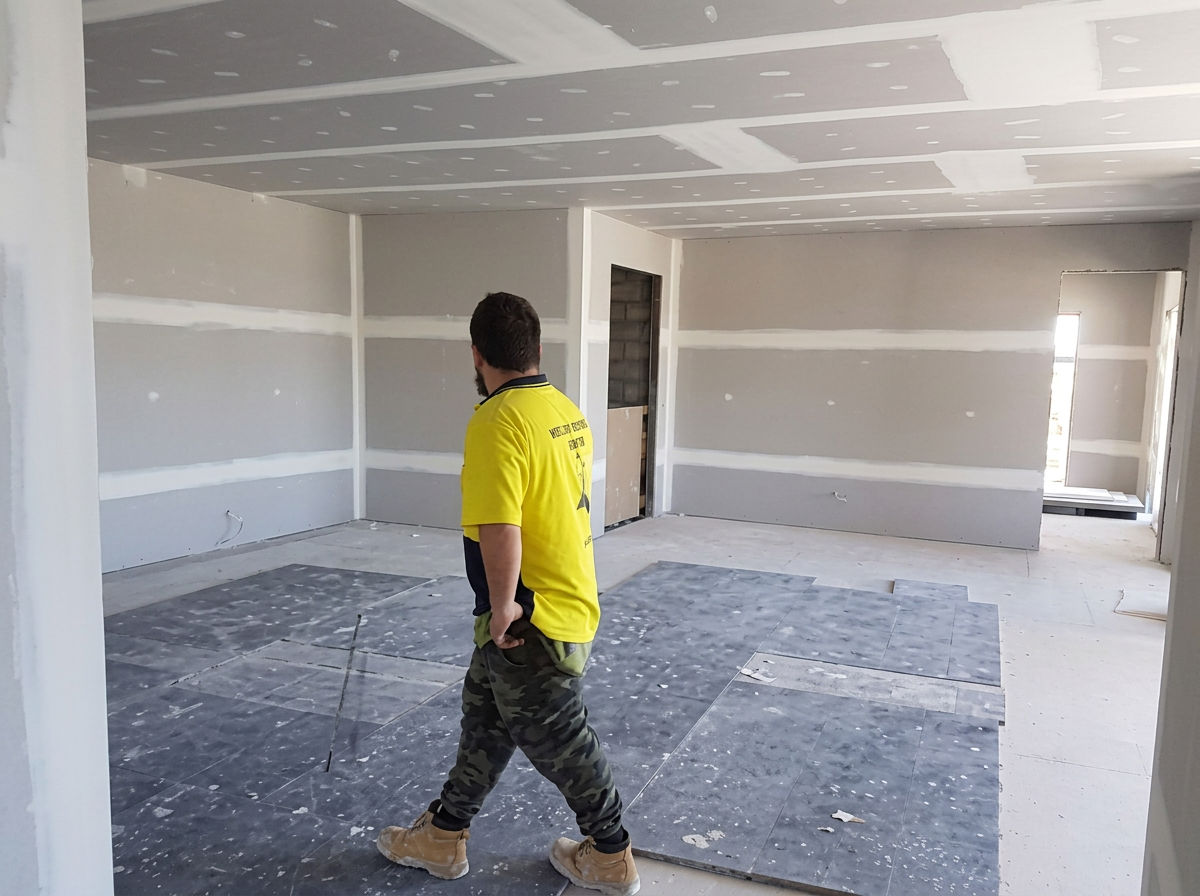
A row of small circles or a straight line showing through a painted wall can be frustrating, particularly when the room otherwise looks sound. Visible screw heads and plasterboard joints are symptoms rather than a diagnosis. They can involve local surface finishing, the condition of a fixing or movement in the lining. In a Zillmere home, the sensible next step is to identify the pattern before deciding what repair is needed.
North Brisbane plastering enquiries often start with a close-up of one mark. A photograph of the whole wall or ceiling is equally useful. It shows whether the marks follow a line, occur around an opening or affect a larger section. Include when you first noticed them and whether they have changed after previous repairs.
Separate a surface mark from a loose lining
A visible fixing does not by itself confirm that the surrounding plasterboard is secure. Conversely, a faint joint line under strong side light does not automatically mean the lining is failing. Inspection may be needed to distinguish a finishing issue from a support or fixing problem. Covering every mark with filler without checking the board can miss the reason it appeared.
If a ceiling is sagging, bulging or shedding material, keep people away from the affected area and arrange prompt assessment. Do not push on the board, puncture a bulge or climb into the ceiling space to investigate. Water near electrical fittings also needs appropriately licensed assistance, not a cosmetic plaster repair.
Record the pattern and repair history
Note whether the marks are on one sheet, across several rooms or beside a doorway. Mention recent renovation work, known leaks and any previous patching. Changes in how a room is lit can make older surface variations newly noticeable, so record lighting changes too. These observations help frame an inspection without guessing that every mark has the same cause.
Close photographs can show paint cracking or a raised centre, but they cannot reveal the complete fixing arrangement behind the lining. Avoid scraping coatings or removing material simply to expose a fixing. Older suspect building materials should be assessed before disturbance, particularly where the property's construction history is uncertain.
Repair the detail, then review the wider finish
An agreed repair may involve attending to a local fixing, rebuilding a damaged joint finish or replacing unsound material. The choice depends on the construction and condition found. Any repair must respect the applicable lining system; a fire-rated or acoustic wall needs more than an attractive surface patch.
Even a small intervention can require finishing over a wider area to create a gradual transition. Painting should be discussed as its own stage. A spot of fresh paint over a repaired circle may differ from surrounding aged coatings, and sheen can emphasise the difference. Clarify whether the quote stops at a surface ready for painting and who arranges decoration.
Request an assessment in Zillmere
Send your suburb, the number of affected rooms and photographs that show both the pattern and individual marks. North Brisbane Plastering can discuss the inspection and repair scope without promising a diagnosis from images alone. For related symptoms, see ceiling repairs in North Brisbane. Explore our wider plastering services or send a repair enquiry with the details you have recorded.