
North Brisbane Plastering · Finishes
Setting and sanding in North Brisbane: why drying stages matter
3 min read · QBCC 15438315
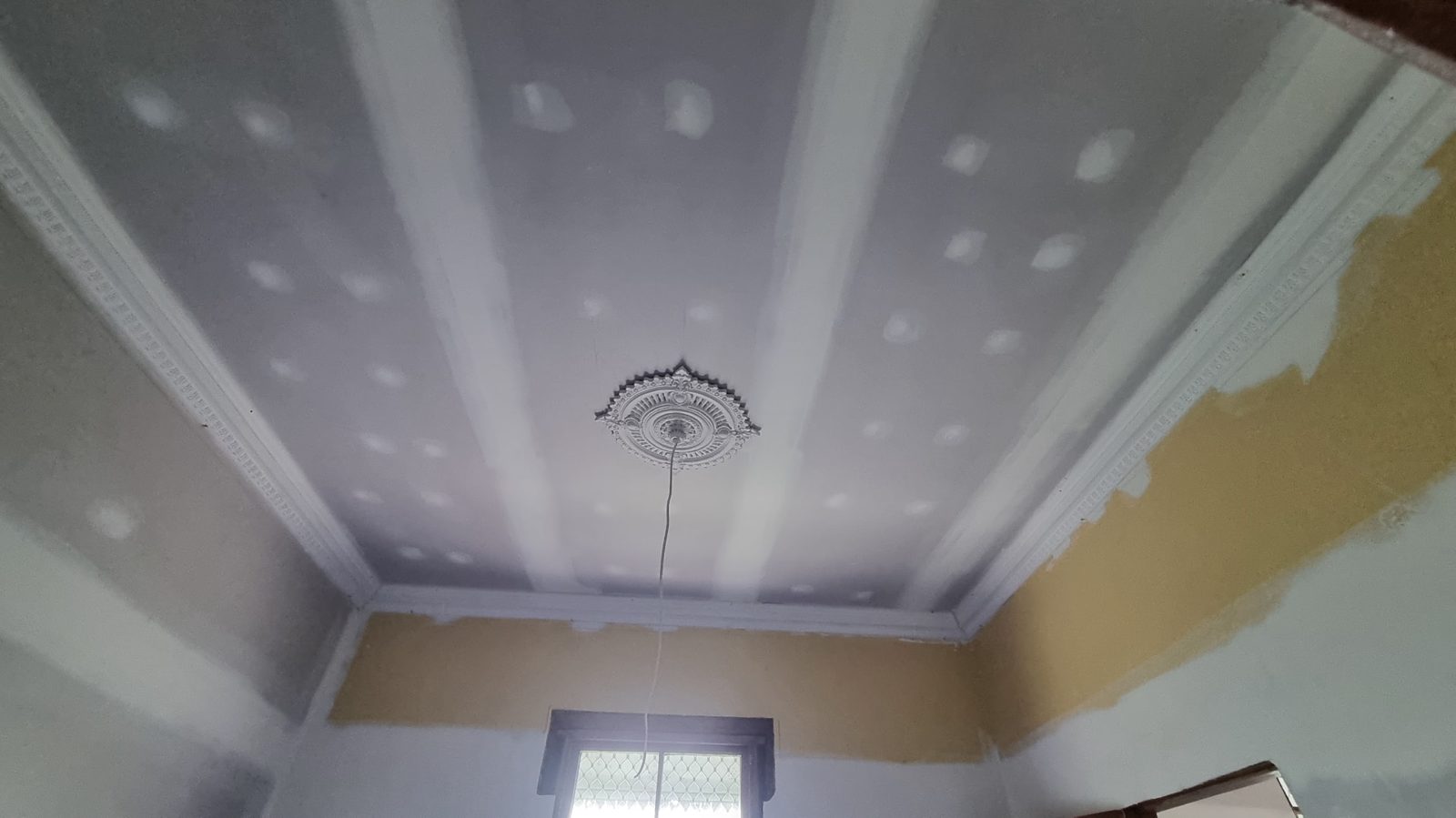
Once plasterboard sheets are in place, a room can look close to finished. The joints, fixings and corners still need treatment before the surface is ready for decoration. Setting and sanding in North Brisbane is therefore a staged part of the work, not a quick coat added at the end of installation. For a renovation in Aspley or Chermside, allow the programme to reflect the materials and actual site conditions.
A fixed drying promise made before the work is assessed can create unrealistic expectations. Product requirements, the work being carried out and conditions in the room all influence the finishing sequence. Ask the plasterer how the stages will be organised and when readiness for the painter will be confirmed.
Understand what joint finishing achieves
Joint treatment connects the visible surface across sheet edges, fixings and details. It needs to suit the board and selected lining system. Correct support and installation remain essential; finishing compounds cannot make an unsound sheet secure or resolve an underlying problem that caused a recurring crack.
The finished area may extend well beyond the narrow joint line. That width helps create a gradual surface transition rather than a ridge. Corners, recesses and decorative junctions can require their own treatment, so the scope should identify those details rather than count only the flat sheet area.
Distinguish stages from one appointment
Joint finishing may involve separate applications and preparation between them. Follow the selected product and system requirements rather than assuming every compound behaves the same way. Setting and drying are not interchangeable descriptions of every material, and the contractor should determine when the next stage is appropriate.
If the room is being used for storing materials or by other trades, access may also affect progress. Keep the agreed working space available and discuss any changes in the programme. Rushing to paint while finishing work remains incomplete can lead to rework in both stages.
Let site conditions inform the schedule
Conditions within the room matter more than a generic calendar estimate. Ask what the contractor needs from the site and how the handover will be communicated. Do not use unapproved heating methods or alter ventilation and equipment arrangements to force a deadline.
Discuss occupancy and protection while sanding is carried out. Dust management and access boundaries should be agreed for the household and the other trades. Protect finished surfaces from impacts or new service work that would reopen completed joints.
Confirm the surface before decoration
The painter needs a clear handover identifying which surfaces are new, repaired or retained. Surface readiness is not established merely because the last coat was applied yesterday. Preparation, primer and the coating system should be discussed with the painter once the plastering stage is confirmed complete.
CSR Gyprock's levels of finish guidance explains that decoration and lighting influence finish selection. Include those decisions in the scope from the beginning. For setting and sanding in North Brisbane, review our plastering services, see work in progress photographs, or request a quote with your project sequence. A realistic staged handover is more useful than an assumed drying deadline that the site cannot support.