
North Brisbane Plastering · Cornices
Choosing cornices for an Everton Park renovation
3 min read · QBCC 15438315
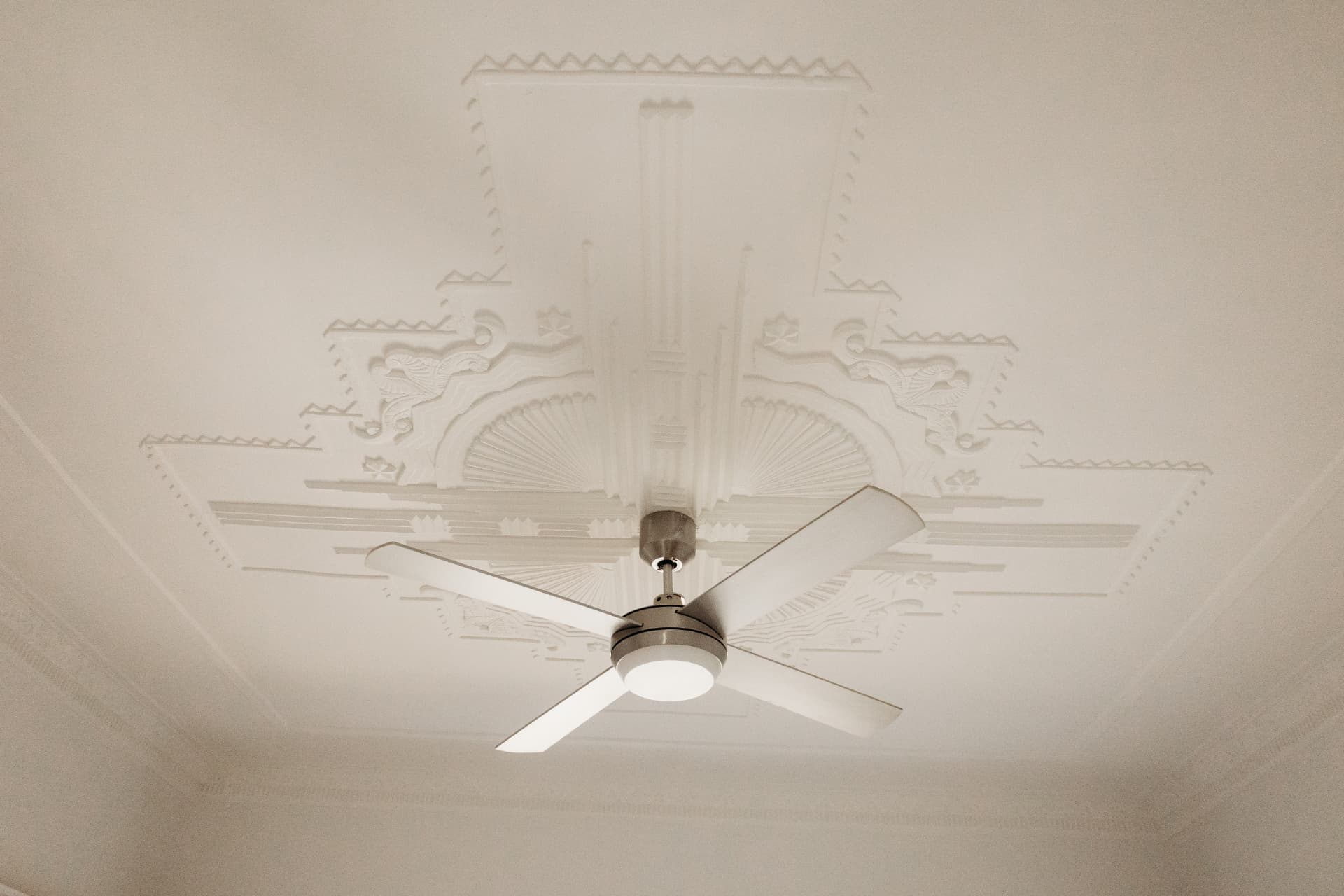
Cornices form the transition between walls and ceilings, and their proportions can influence the appearance of a renovated room. For homeowners in Everton Park, choosing a profile is only part of the decision. The condition of the junction, the way new and existing lengths meet and the treatment of corners all need consideration. North Brisbane Plastering can discuss cornice installation as part of the broader renovation scope.
Compare profiles with the existing room
A simple cove and an ornamental cornice create different visual details. When matching existing work, check the profile's depth, projection and pattern rather than relying on a quick photograph. Two profiles can look similar from a distance while leaving an obvious mismatch at a join. Measurements and clear close-ups are useful before materials are selected.
Decorative ceiling roses and borders may also influence the choice. The aim is to consider the whole room rather than selecting one feature in isolation. No particular profile should be described as an exact match until the existing detail and available replacement have been compared properly.
Check the surfaces before installation
The wall-to-ceiling junction needs assessment before new cornice is fitted. Loose material, damaged plasterboard paper or uneven surfaces can affect preparation. If cornices have been removed, the exposed area may need repair before it provides a suitable background for replacement work.
Older rooms are not always perfectly square or level. Accurate setting out and fitted junctions matter more than assuming all corners are identical. The selected cornice and bedding products should be installed according to their requirements. Filling a large misalignment afterwards is not the same as fitting the profile correctly in the first place.
Plan the transitions through a renovation
An extension or removed partition can interrupt existing cornices. Decide where profiles continue, where they stop and how they meet new walls or bulkheads. These transitions should appear in the plastering scope so the visible junctions are not overlooked while the larger surfaces are being lined.
If part of the renovation will use square setting instead, that change needs deliberate detailing. Cornices and square-set junctions are different finishes; neither removes the need for sound, aligned construction. Removing a cornice may expose uneven surfaces that require more work than simply applying a new line of compound.
Protect ornamental detail and plan the paint finish
Existing decorative plasterwork should be protected during adjacent work. Local repairs need care to retain the relief and repeated pattern rather than flattening the detail. If a damaged section requires replacement, discuss the match and transitions to surviving material before assuming that any decorative length will blend in.
Painting responsibilities also need agreement. New cornices and nearby repairs can require preparation and repainting beyond the installed lengths. The painting system and expected finish should be discussed with the relevant trade once the plasterwork is ready. Protection, access and clean-up arrangements are important in an occupied Everton Park home.
A useful scope explains the selected profile, preparation, corners, transitions and any repair to adjacent surfaces. It should distinguish installation from painting and other renovation work. Explore our plastering services, view genuine decorative work, or request a quote with photographs and measurements of the existing cornice.